
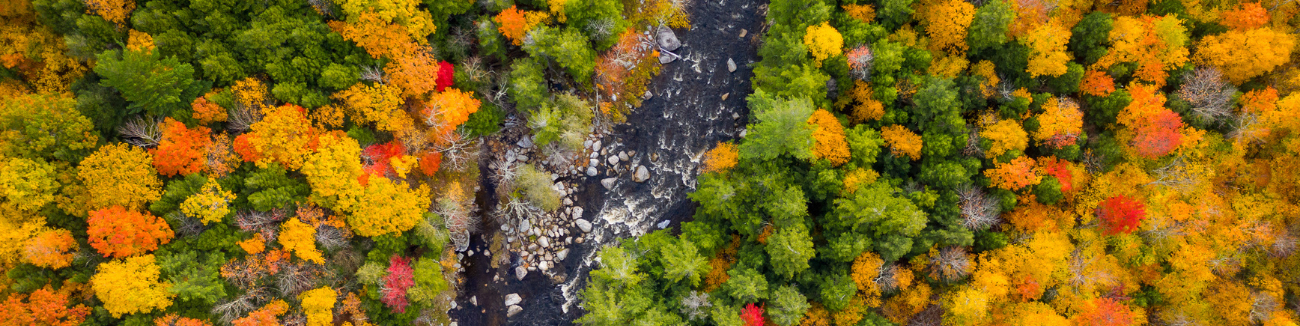
Aquifers, Lakes, Streams, Rivers, and Reservoirs
Drinking water is treated before consumption, but the most economical and environmentally friendly strategy is to prevent contamination at the source.
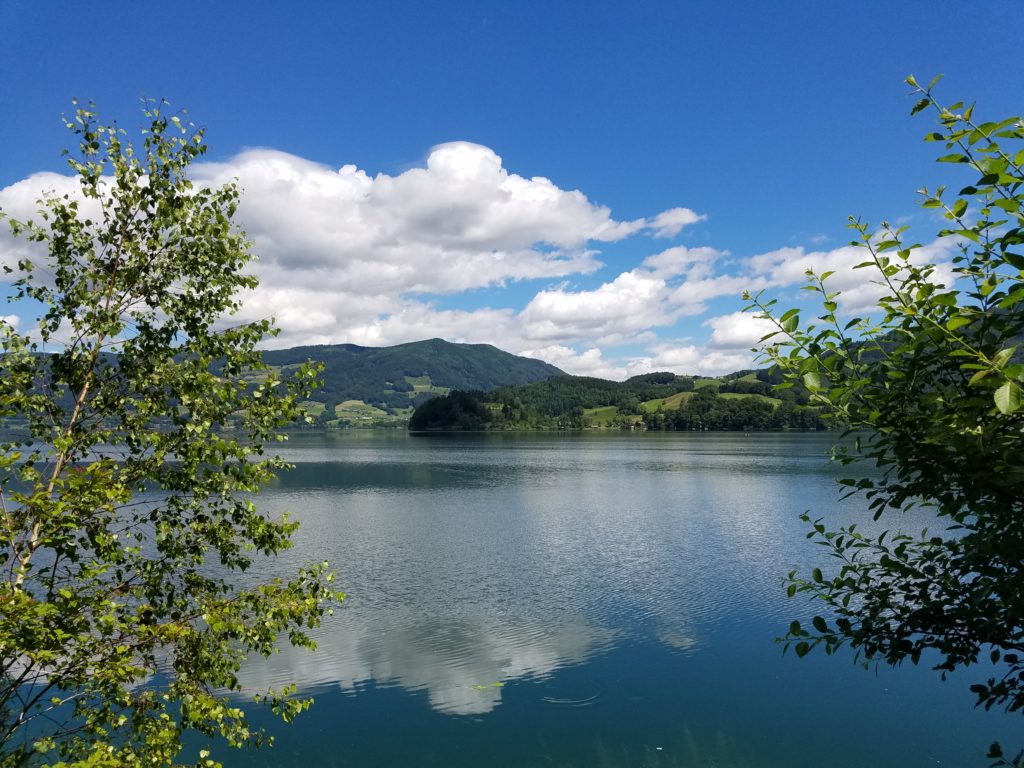
In our region, protecting water that flows across interstate boundaries presents a particular challenge.
Our Source Water Protection Workgroup brings together state and federal officials concerned with water protection, including tracking potential sources of contamination, regulation of wells, and rural water systems.
Another workgroup deals with contaminants of emerging concern, whose scope and effects are not yet well understood.
Another workgroup is concerned with harmful algal blooms, which are potentially toxic and can foul water bodies and change ecosystems.
Additional Resources
For Local Officials: Protecting Drinking Water Resources in Your Community
Gas Stations: A Guide for Owners and Operators
Guidance on Lead at Childcare Facilities in MA
Illicit Discharge Detection and Elimination Manual for Municipalities
American Water Works Association – National association of water suppliers focusing on training and technical assistance.
Association of State Drinking Water Administrators – Professional association of state drinking water programs.
New England Water Works Association – Regional association of water suppliers focusing on training and technical assistance.
National Drinking Water Clearinghouse
The Groundwater Foundation – An international non-profit organization that educates the public on the nature and value of groundwater.
Ground Water Protection Council – National non-profit organization whose members are interested in the protection of the nation’s ground water supplies.
In the States
- CT DPH Drinking Water
- ME DHHS Source Water Protection
- ME DHHS Drinking Water
- MA DEP Source Water Protection
- MA DEP Drinking Water
- NH DES Drinking Water Source Protection
- NYS DOH Drinking Water Protection
- RI DEM Office of Water Resources – Groundwater Protection
- RI DOH Drinking Water Quality
- VT DEC Drinking Water and Groundwater Protection