
Water quality criteria identify pollutant levels or conditions that protect water body uses, such as fishing and swimming, and inform water quality standards.
Guided by U.S. EPA resources and recommendations, states, territories and tribes develop their own water quality criteria for a wide variety of pollutants, including nutrients and bacteria. These are key indicators of water quality and potential risks to human health and the environment. Excess nutrients can lead to harmful algal blooms, while bacteria can cause disease and contaminate drinking water sources. Learn more about nutrient and bacteria criteria below.
Nutrient Criteria
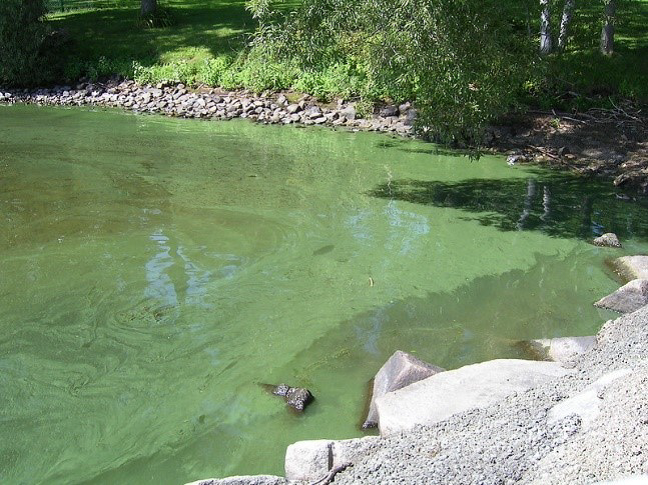
Nutrient criteria are set by each state to prevent excessive nutrient enrichment that can lead to harmful algal blooms, low levels of dissolved oxygen, and poor water quality. Nutrients like nitrogen and phosphorus come from runoff, wastewater, and atmospheric deposition among other sources. The states use nutrient criteria in either numeric or narrative formats to regulate the inputs to surface water. NEIWPCC’s Water Quality Standards Workgroup, comprised of state and federal staff, meet to share progress and learn from each other as states implement their own criteria.
Several NEIWPCC member states are working to adopt numeric nutrient criteria, while others are actively utilizing narrative criteria to protect water quality. Nutrient criteria are just one piece of the overall puzzle of nutrient pollution. NEIWPCC is involved in many other initiatives related to nutrients, including efforts to reduce phosphorus pollution in Lake Champlain and nitrogen levels in Long Island Sound, and assisting wastewater treatment plants in meeting nutrient reductions.
Bacteria Criteria
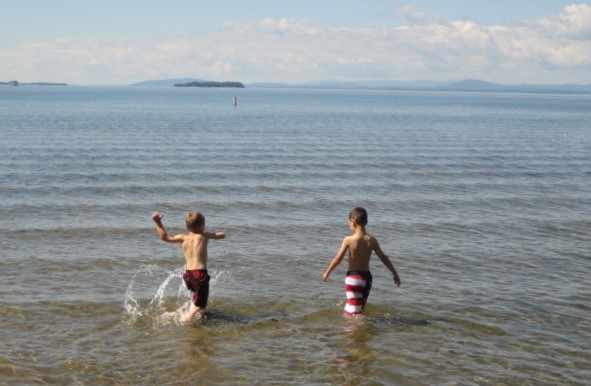
Bacteria criteria set limits on the exposure of pathogens to people and the environment when recreating in or on the water. Fecal contamination from human, pet, and wild animal waste can cause serious illness and is a major source of bacterial pollution to fresh and marine waters. NEIWPCC member states set water quality criteria based on E.coli and Enterococci bacteria for fresh and marine recreational waters, respectively. Though these strains of bacteria do not usually cause illness on their own, they are indicators of fecal contamination and its many associated harmful bacteria.
NEIWPCC continues to facilitate collaboration among the Northeast states and the EPA on bacteria and nutrient criteria, and to support states as they update and adopt new criteria.
For more information on NEIWPCC’s work in this area contact Beth Malcolm.